Have you ever been scrolling through TikTok or Instagram and come across someone calling themselves a “crunchy mom”? Maybe you saw videos about homemade baby food, cloth diapers, or natural parenting and wondered what it all means.
The phrase has become incredibly popular online, especially among parents sharing their lifestyles and parenting choices. But depending on the context, the meaning can be a little different from what you might expect.
Based on how the term is commonly used across social media, parenting communities, and online discussions, understanding “crunchy mom” can help you better understand modern parenting trends and internet culture.
What Does Crunchy Mom Mean?
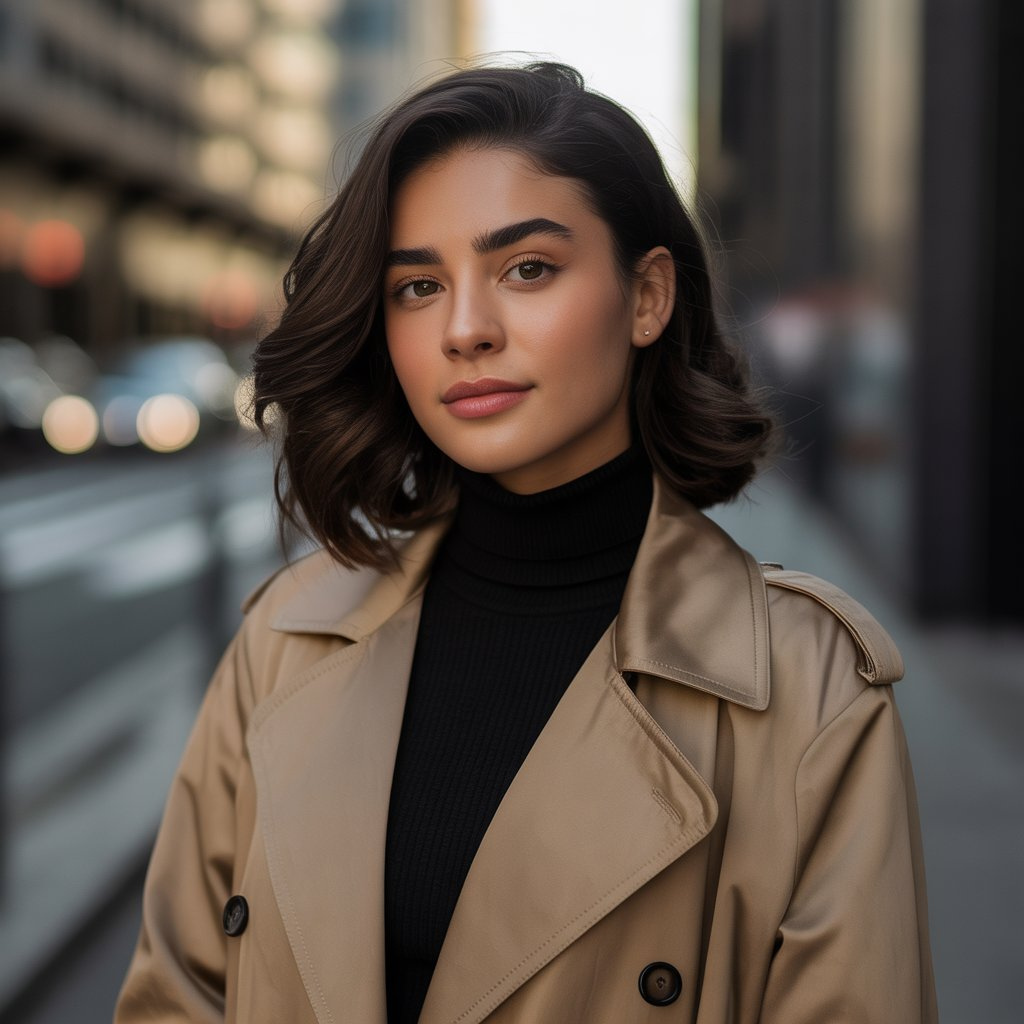
A crunchy mom is a mother who prefers natural, holistic, eco-friendly, or alternative parenting practices. The term often describes moms who focus on organic foods, natural remedies, breastfeeding, cloth diapering, environmentally friendly products, and reducing exposure to artificial ingredients whenever possible.
The phrase is usually used positively, although it can sometimes be playful or humorous depending on the situation.
Meaning and Definition

The primary meaning of “crunchy mom” refers to a parent who embraces natural living and holistic parenting methods.
Many crunchy moms prefer:
- Organic foods
- Natural health remedies
- Eco-friendly products
- Extended breastfeeding
- Cloth diapers
- Limited screen time
- Sustainable living practices
A secondary meaning can describe someone who strongly advocates for natural lifestyles, even outside of parenting.
Chat Examples
Example 1
Person A: “Why do you make all your baby food from scratch?”
Person B: “I’m kind of a crunchy mom, so I like knowing exactly what’s in it.”
Example 2
Friend: “You use cloth diapers?”
Mom: “Yep, I’m definitely a crunchy mom.”
Silky mom meaning
A silky mom usually describes a mother who prefers modern, convenient, and mainstream parenting choices. The term often appears in online parenting discussions as a contrast to labels such as “crunchy mom” or “granola mom.”
The idea focuses more on convenience and conventional products or services than on avoiding processed items, choosing natural alternatives, or following low-intervention parenting practices. For example, a silky mom might feel comfortable using regular baby products, buying prepared baby food, or choosing formula when it works better for her family.
The label does not automatically describe someone’s entire parenting style. A mother can make natural choices in some areas and choose convenient options in others. Parenting choices often depend on a child’s needs, family circumstances, budget, time, and personal preferences.
Example:
A mother uses standard store-bought baby products, follows advice from her pediatrician, and chooses convenient feeding options because they fit her family’s routine. Someone online might call this a “silky mom” approach.
Key takeaway: The term usually points to a modern, convenience-focused parenting style, but people may use it differently depending on the online community.
Why is it called crunchy mom
The phrase “crunchy mom” comes from the idea of choosing more natural, organic, homemade, or low-chemical approaches in everyday family life. “Crunchy” does not refer to a mother’s personality. Instead, it works as informal internet slang for a particular approach to parenting and lifestyle.
A crunchy mom may prefer things such as:
- Organic or minimally processed foods
- Cloth diapers
- Homemade products
- Reusable household items
- Natural personal-care products
- Breastfeeding when possible
- Outdoor activities
- Fewer synthetic ingredients
- Traditional or alternative lifestyle practices
The label can cover a wide range of choices. One person may use it simply to describe an interest in natural living, while another may use it more broadly for parents who avoid many conventional products.
The important point is that “crunchy” describes a lifestyle label rather than a strict parenting rulebook. Two people may both call themselves crunchy while making very different choices.
For example, one parent may choose organic food and reusable products but still use conventional medicine. Another may follow a much stricter natural-living routine.
Crunchy mom examples
A crunchy mom example usually involves a parenting choice that emphasizes natural living, reduced waste, homemade options, or limited use of conventional products.
Here are some common examples:
- Choosing cloth diapers instead of disposable diapers
- Buying organic fruits and vegetables when possible
- Preparing baby food at home
- Using reusable food containers
- Selecting products with simpler ingredient lists
- Spending more family time outdoors
- Making homemade cleaning products
- Choosing secondhand children’s clothing
- Growing vegetables at home
- Reducing single-use plastic
- Preferring natural-fiber clothing
- Using reusable menstrual products after pregnancy
These examples do not mean every crunchy mom makes all of these choices. The label covers a spectrum.
For instance, a parent might use cloth diapers but buy regular packaged food. Another might cook almost everything at home but still choose disposable diapers because they save time.
That difference matters because online labels can make parenting styles look more rigid than they really are.
Crunchy mom vs granola mom
Crunchy mom and granola mom often overlap, but people can use them with slightly different meanings.
| Term | Common focus | Typical examples |
| Crunchy mom | Natural and alternative parenting choices | Organic food, cloth diapers, homemade products |
| Granola mom | Natural lifestyle with an outdoorsy or earthy feel | Hiking, gardening, sustainability, natural foods |
“Granola mom” often carries a more earthy, outdoors-focused image. The phrase can bring to mind hiking, camping, gardening, environmental awareness, farmers’ markets, and simple living.
“Crunchy mom” can have a broader meaning. It may include natural products, alternative approaches, reduced chemicals, homemade goods, or different parenting practices.
There is no official dictionary rule that separates these labels perfectly. Internet communities can use them differently, and one parent may comfortably fit both descriptions.
Example: A mother who gardens, hikes with her children, buys local food, and focuses on sustainability might receive the “granola mom” label. If she also uses cloth diapers and homemade personal-care products, people might describe her as “crunchy” too.
Crunchy mom vs almond mom
These two labels describe different ideas, even though people sometimes mention them together online.
A crunchy mom label usually centers on natural living, ingredients, sustainability, or alternative parenting choices. An almond mom label usually refers to an unhealthy or overly restrictive attitude toward food, calories, weight, or body size.
For example:
- A crunchy mom may choose organic food because she prefers fewer processed ingredients.
- An almond mom stereotype may focus excessively on limiting calories or controlling body weight.
The distinction matters because healthy food choices do not automatically equal restrictive eating. A parent can prefer fresh, organic, or homemade food without teaching children to fear calories or body changes.
The “almond mom” label often appears in social-media conversations about diet culture and body image. People should avoid assuming that a parent’s food preferences reveal their entire attitude toward eating.
Crunchy mom vs silky mom
These labels sit at different ends of an informal online parenting spectrum.
A crunchy mom generally favors natural, homemade, organic, sustainable, or alternative choices. A silky mom generally feels more comfortable with conventional products, mainstream services, and convenient parenting options.
| Parenting label | General approach |
| Crunchy mom | Natural, homemade, organic, sustainable, or alternative choices |
| Silky mom | Conventional, mainstream, convenient, or modern choices |
Imagine two parents preparing for a baby’s arrival.
One parent chooses cloth diapers, homemade baby products, secondhand clothes, and organic food. Online communities might call her crunchy.
Another parent chooses disposable diapers, commercially available baby products, prepared baby food, and whatever saves time. People might describe her as silky.
Neither label explains every parenting decision. A parent can also mix the two approaches. Someone might use cloth diapers but buy commercial baby food, or choose organic food while relying on conventional childcare.
Are crunchy moms liberal or conservative
The term “crunchy mom” does not automatically identify a person’s political ideology.
People use the label mainly to describe lifestyle and parenting choices. A person may prefer organic food, reusable products, natural ingredients, or alternative parenting practices without sharing a particular political identity.
Online discussions sometimes connect crunchy parenting with different political groups. Those connections can create confusion because lifestyle choices and political beliefs do not always match.
For example, one parent may care strongly about environmental sustainability and hold liberal political views. Another parent may prefer homeschooling, traditional family practices, or local food while holding conservative political views. Both could still describe themselves as crunchy.
So it helps to separate parenting behavior from political identity. The label tells you something about the choices a person discusses, but it does not reliably tell you how that person votes or what political beliefs they hold.
Granola mom meaning
A granola mom usually describes a mother who embraces a natural, outdoorsy, environmentally conscious, or simple lifestyle.
The phrase often brings together several ideas:
- Spending time outdoors
- Hiking and camping
- Gardening
- Eating fresh or minimally processed food
- Supporting sustainable products
- Reducing household waste
- Reusing and recycling
- Shopping locally
- Choosing natural materials
- Encouraging children to connect with nature
The word “granola” comes from an older cultural association with natural foods and an outdoors-oriented lifestyle. Online, the phrase has evolved into a casual description of parents who enjoy an earthy, environmentally aware way of raising their families.
For example, a mom who takes her children hiking, grows vegetables, shops at farmers’ markets, uses reusable containers, and teaches her children about protecting nature might get called a granola mom.
The term remains informal. It does not describe one fixed parenting method, and people may use it positively, humorously, or simply as a lifestyle description.
Background and Origin
The word “crunchy” originally came from the phrase “crunchy granola,” which became popular in the United States during the 1960s and 1970s.
People who preferred natural foods, environmental awareness, and alternative lifestyles were sometimes called “granola” or “crunchy.”
Over time, the term evolved into “crunchy mom” as parenting communities began adopting many of the same values. Social media platforms later helped spread the phrase worldwide, making it a common parenting label.
Today, the term appears frequently on TikTok, Instagram, YouTube, Facebook groups, and parenting blogs.
Usage in Different Contexts
Casual Chats
In everyday conversations, people use “crunchy mom” to describe a parent’s natural approach to raising children.
Example:
“I’m becoming a crunchy mom since I started buying organic snacks.”
Social Media
On TikTok and Instagram, the term is often used as an identity or lifestyle label.
Example:
“Day in the life of a crunchy mom with three kids.”
Professional Use
The phrase is rarely used in formal workplaces. However, parenting coaches, bloggers, and wellness creators may use it when discussing parenting styles.
Example:
“This guide helps crunchy moms choose eco-friendly products.”
Gaming and Group Chats
The term occasionally appears humorously in friend groups.
Example:
“She’s the crunchy mom of our friend group because she always recommends natural remedies.”
Meanings Across Platforms
| Platform | Tone | Example |
| Casual | “My sister is such a crunchy mom now.” | |
| Lifestyle-focused | “Crunchy mom morning routine.” | |
| TikTok | Trendy and humorous | “Things I do as a crunchy mom.” |
| Snapchat | Playful | “Crunchy mom starter pack 😂” |
| Discord | Community discussion | “Any crunchy moms here?” |
Real-Life Examples and Memes
Many social media creators jokingly compare crunchy moms with other parenting styles.
Chat Example
Friend: “You made your own laundry detergent?”
Mom: “The crunchy mom lifestyle chose me.”
Meme-Style Examples
- “Level 1 crunchy mom: Organic snacks.”
- “Level 100 crunchy mom: Growing vegetables for homemade baby food.”
- “If it has ingredients I can’t pronounce, the crunchy mom alarm goes off.”
These jokes are generally lighthearted and not meant to offend.
Cultural or Regional Interpretations
United States and United Kingdom
The term is widely recognized and often associated with natural parenting, sustainability, and wellness-focused lifestyles.
India, Pakistan, and the Philippines
The phrase is becoming more familiar through social media. However, many people may simply describe the behavior as traditional or natural parenting rather than using the label “crunchy mom.”
Australia
The term is commonly understood online and is often connected with eco-conscious living and environmental awareness.
Other Meanings
| Field | Meaning | Description |
| Parenting | Natural parenting advocate | Most common meaning |
| Lifestyle | Eco-conscious individual | Focus on sustainability |
| Wellness | Holistic living supporter | Prefers natural approaches |
| Social Media | Parenting identity | Used in bios and content creation |
Common Mistakes and Misconceptions
- Not all crunchy moms reject modern medicine.
- Being a crunchy mom does not automatically mean homeschooling.
- The term is not an official parenting category.
- Every crunchy mom follows different practices.
- Some people use the label casually without fully embracing the lifestyle.
Psychological and Emotional Meaning
Positive
Many people associate crunchy moms with healthy living, mindfulness, and environmental responsibility.
Neutral
Some use the term simply as a parenting description without attaching any judgment.
Negative
Occasionally, critics may use it sarcastically when discussing extreme parenting choices. However, this is less common than neutral or positive usage.
Similar Terms and Alternatives
| Word | Meaning | Tone |
| Granola Mom | Natural-lifestyle parent | Friendly |
| Holistic Mom | Focuses on whole-body wellness | Positive |
| Eco Mom | Environmentally conscious parent | Positive |
| Natural Parent | Uses natural parenting methods | Neutral |
| Gentle Parent | Focuses on respectful parenting | Positive |
Is It Offensive or Friendly?
In most situations, “crunchy mom” is considered friendly and harmless.
Friendly Example
“She’s a crunchy mom who loves making healthy meals.”
Potentially Negative Example
“She’s one of those crunchy moms who thinks everything should be organic.”
Tone matters more than the phrase itself.
Grammar and Linguistic Insight
“Crunchy mom” is an example of modern internet language evolving from older cultural slang.
The adjective “crunchy” shifted from describing food texture to representing a lifestyle centered on natural living. Social media accelerated this change, helping the phrase become part of everyday online conversations.
How to Respond
If someone calls themselves a crunchy mom, you can respond naturally with:
- “That’s really interesting!”
- “What natural practices do you follow?”
- “I’ve seen that trend online.”
- “Do you make your own products too?”
- “How did you get into that lifestyle?”
Differences From Similar Words
| Term | Main Focus | Difference |
| Crunchy Mom | Natural parenting | Broad lifestyle approach |
| Gentle Parent | Emotional connection | Focuses on discipline style |
| Eco Mom | Sustainability | Environmental emphasis |
| Holistic Mom | Overall wellness | Broader health focus |
| Traditional Mom | Conventional family values | Not necessarily natural living |
Relevance in Dating and Online Culture
The phrase occasionally appears on dating apps, social media bios, and online communities.
Someone may describe themselves as a crunchy mom to communicate their values, interests, and lifestyle preferences.
Among Gen Z and younger millennials, labels like crunchy mom help people quickly identify shared beliefs around wellness, sustainability, and parenting.
On platforms like Tinder, Instagram, and TikTok, the term often serves as a personality marker rather than just a parenting description.
Popularity and Trends

The popularity of “crunchy mom” has grown significantly thanks to TikTok and parenting influencers.
Short videos about natural parenting routines, homemade products, gardening, and organic living frequently use hashtags related to crunchy moms.
The trend continues to evolve, with newer terms like “silky mom” and “scrunchy mom” emerging as playful alternatives within parenting communities.
When NOT to Use Crunchy Mom
There are situations where using the term may not be appropriate.
- Formal business meetings
- Academic research papers
- Professional medical discussions
- Official workplace communication
- Situations where someone’s parenting choices are unknown
Example
Instead of saying:
“She’s a crunchy mom.”
A professional setting may require:
“She prefers natural parenting methods.”
FAQs
What does crunchy mom mean in simple words?
A crunchy mom is a mother who prefers natural, eco-friendly, and holistic parenting practices. She often focuses on organic foods, sustainability, and natural living.
Is being a crunchy mom a good thing?
It depends on personal preferences. Many people view it positively because it emphasizes healthy habits and environmental awareness.
What is the difference between a crunchy mom and a regular mom?
A crunchy mom usually places extra emphasis on natural parenting methods, while other moms may use a wider variety of approaches.
Why is it called a crunchy mom?
The term comes from the older expression “crunchy granola,” which was associated with natural lifestyles and environmental consciousness.
Is crunchy mom slang?
Yes. It is a modern slang term commonly used in parenting communities and across social media platforms.
What is a silky mom vs. crunchy mom?
A silky mom usually prefers modern, convenience-focused parenting choices, while a crunchy mom tends to favor natural, traditional, or low-intervention choices. The terms are informal internet slang, not official parenting categories, and many parents fall somewhere in between.
Why are they called Crunchy mom?
“Crunchy mom” comes from the idea of choosing more natural or minimally processed approaches to parenting and family life. It can refer to preferences such as organic foods, cloth diapers, natural products, breastfeeding, or limiting unnecessary chemicals, although each parent may define “crunchy” differently.
What is a dolphin mom?
A dolphin mom is an informal parenting term for a parent who aims to balance structure with flexibility and emotional support. The idea is often associated with setting reasonable boundaries while encouraging independence, creativity, and healthy development.
What is a marshmallow mom?
A marshmallow mom is an informal term for a parent who tends to be very soft, protective, and supportive toward their child. Unlike a “helicopter mom,” who may closely control a child’s activities, a marshmallow mom is often described as gentle and comforting, although the term can be used differently online.
What gender is Marshmello?
Marshmello is a male American electronic music producer and DJ whose real name is Christopher Comstock. His stage character is known for wearing a distinctive marshmallow-shaped helmet.
What is marshmallow slang for?
“Marshmallow” does not have one universal slang meaning. Depending on context, it can describe someone as soft, sweet, gentle, or emotionally tender, while in other contexts it simply refers to the food or the stage name Marshmello.
Conclusion
The term “crunchy mom” refers to a mother who embraces natural, holistic, and eco-conscious parenting choices. While the exact practices vary from person to person, the common theme is a preference for natural living and mindful parenting.
As social media continues shaping modern language, terms like “crunchy mom” help people connect through shared experiences, values, and lifestyles. Whether you see it on TikTok, Instagram, or in everyday conversations, understanding the phrase offers a glimpse into one of today’s most talked-about parenting trends.
Discover More Topics:
- What Does Andrea Mean? The Surprising Origin, History, and Hidden Traits of the Name for 2026
- What Does Gaara’s Tattoo Mean? The Powerful Hidden Story Behind the Symbol on His Forehead
- What Does HN Mean? How to Decode Text Slang, Tech Short-Hands, and Global Contexts for 2026
- What Does THICC Mean? How a Hip-Hop Slang Word Reshaped Modern Beauty Standards for 2026
Lily Anderson
Hi, I’m Lily Anderson, a passionate writer who believes in the power of prayers and positivity. Ever since I was young, I’ve found comfort and inspiration in sharing stories that uplift the soul. Writing has always been my way of connecting with people, spreading hope, and exploring the deeper meaning of life. I love exploring the intersection of faith, daily life, and personal growth through my words. Every story I write comes from the heart, and I hope it touches yours too. When I’m not writing, you can find me journaling or meditating on new ideas for prayers.
Books:
-
Whispers of Hope
-
Daily Blessings: A Prayer Journal