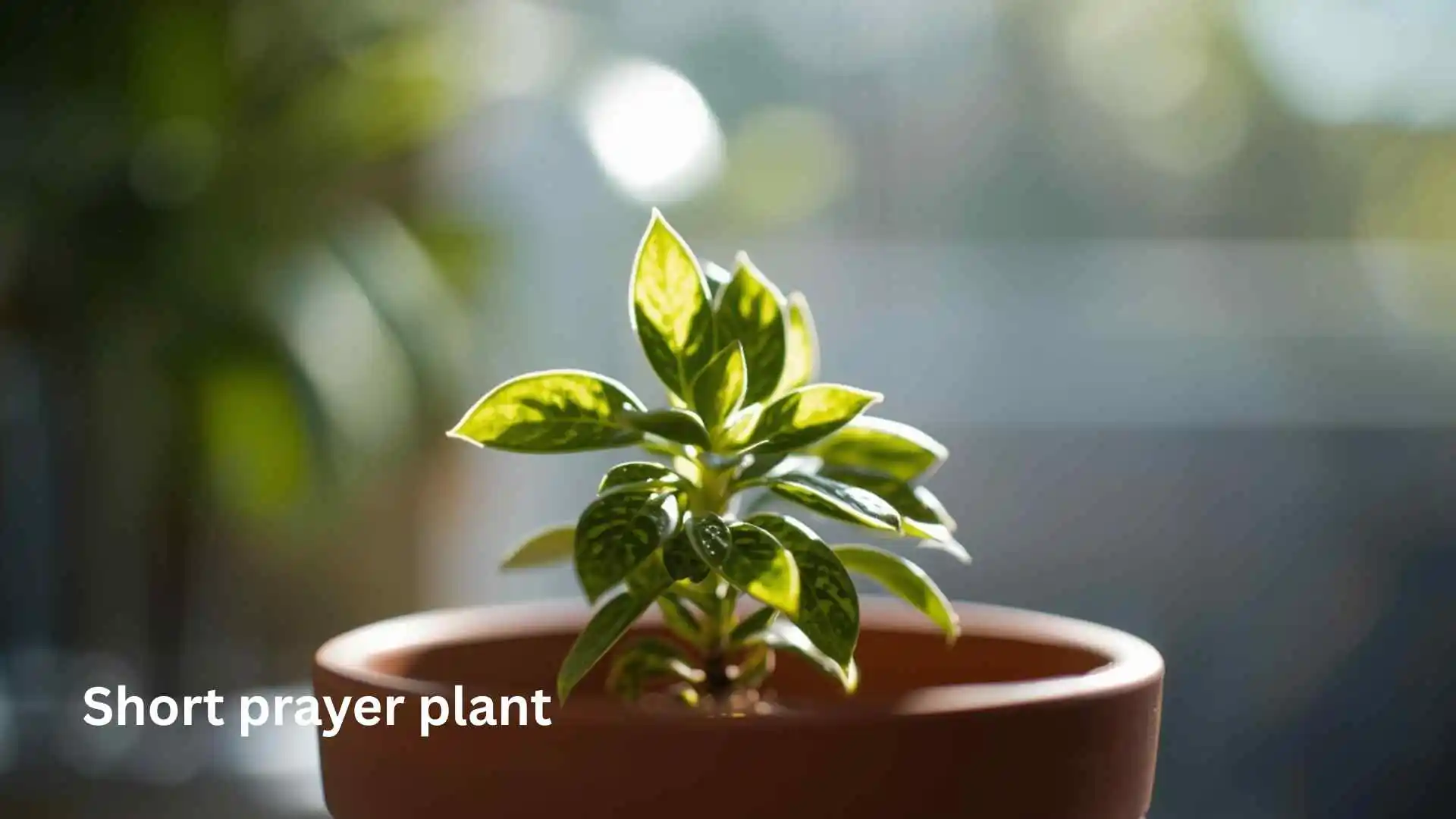
The short prayer plant is not just a beautiful indoor plant—it’s a symbol of faith, devotion, and spiritual growth.
Many people use this plant as a reminder to pause, pray, and nurture their hearts daily.
Short prayers for your prayer plant can encourage growth, protection, and a deeper connection with God while caring for your living space.
🌱 Why Pray Over Your Short Prayer Plant?
Strengthening Spiritual Connection
- Lord, bless this plant as it reminds me of Your constant care.
- Father, help me connect with You as I nurture this plant each day.
- Holy Spirit, let this plant symbolize faith and devotion in my heart.
- Jesus, let Your presence grow in my life like this plant grows.
Bible Verse: John 15:5 – “I am the vine; you are the branches. If you remain in me and I in you, you will bear much fruit.”
Encouraging Growth & Health 🌿
- God, help this plant grow strong and vibrant under Your protection.
- Lord, provide sunlight, water, and care so it thrives.
- Father, let its leaves flourish as a sign of Your blessings.
- Holy Spirit, let this plant remind me of patience and growth.
Bible Verse: Psalm 1:3 – “They are like trees planted by streams of water, which yield their fruit in season.”
Cultivating Patience & Care
- Lord, teach me patience as I care for this plant.
- Father, let me be diligent in nurturing it daily.
- Jesus, help me reflect Your love in how I care for living things.
- Holy Spirit, guide my hands to provide consistent attention and care.
Bible Verse: Galatians 6:9 – “Let us not become weary in doing good, for at the proper time we will reap a harvest if we do not give up.”
Short prayer plant prayers for protection
Prayer plants are often loved not only for their beautiful leaves but also for the peaceful feeling they bring into a home. Many people enjoy saying a short prayer while caring for their prayer plant as a symbol of protection, peace, and growth.
- May this prayer plant remind me that I am always protected and guided.
- May peace fill my home and guard my heart each day.
- May God’s protection surround my family wherever we go.
- May love, hope, and safety grow as beautifully as this plant.
- May every challenge be replaced with strength and faith.
These simple prayers can create a calming moment during your plant care routine. They are easy to remember and help bring a sense of comfort and gratitude.
Best short prayer plant prayers
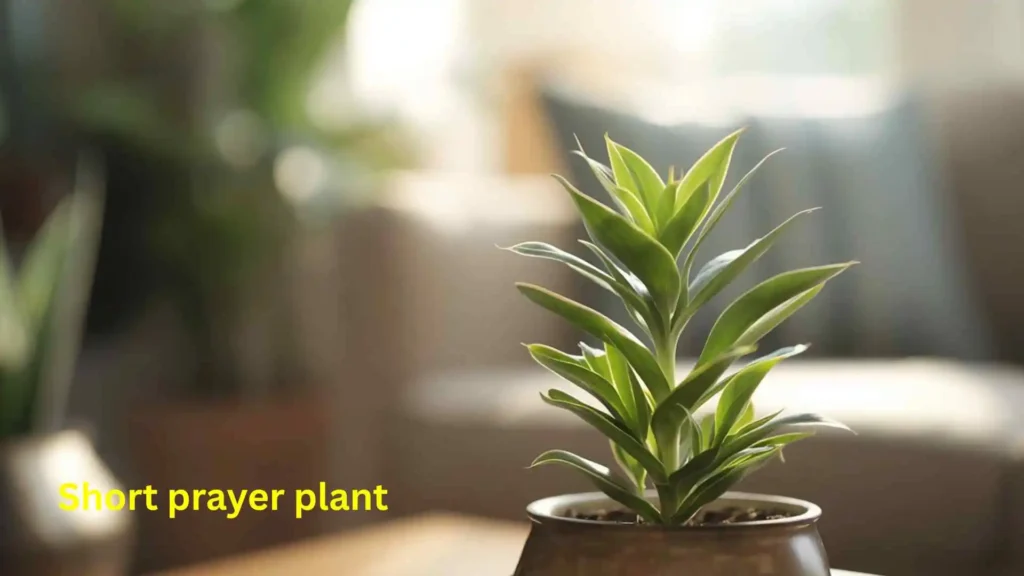
Short prayers are perfect for busy days when you want to take a quiet moment to reflect while caring for your prayer plant. These prayers can inspire positivity and encourage spiritual growth.
- May my faith grow stronger every day.
- May peace and kindness bloom in my life.
- May my home be filled with joy and gratitude.
- May God’s blessings guide my path.
- May I find strength in every season of life.
Many plant lovers use these simple prayers as daily reminders to stay hopeful and thankful. Just a few words can help create a meaningful connection between faith and nature.
How do prayer plants grow
Prayer plants grow from rhizomes, which are underground stems that store nutrients and water. They are known for their unique leaves that fold upward at night, giving them the appearance of praying hands.
- Thrive best in bright, indirect sunlight.
- Prefer warm temperatures and high humidity.
- Grow well in loose, well-draining soil.
- Need consistent moisture without becoming waterlogged.
- Produce new leaves from the center of the plant.
With proper care, prayer plants can grow lush and full, making them a beautiful addition to indoor spaces. Their growth is usually steady during spring and summer when conditions are ideal.
Prayer plant support
Prayer plants generally do not require heavy support because they naturally spread outward rather than growing tall. However, providing the right environment helps them stay healthy and vibrant.
- Place the plant in bright, indirect light.
- Maintain humidity levels above average indoor conditions.
- Keep temperatures between 65°F and 80°F (18°C to 27°C).
- Use a well-draining potting mix.
- Remove damaged leaves to encourage healthy growth.
If stems become long or leggy, gentle pruning can help the plant maintain a fuller appearance. Proper support through care and maintenance keeps the plant looking its best.
How to water a prayer plant
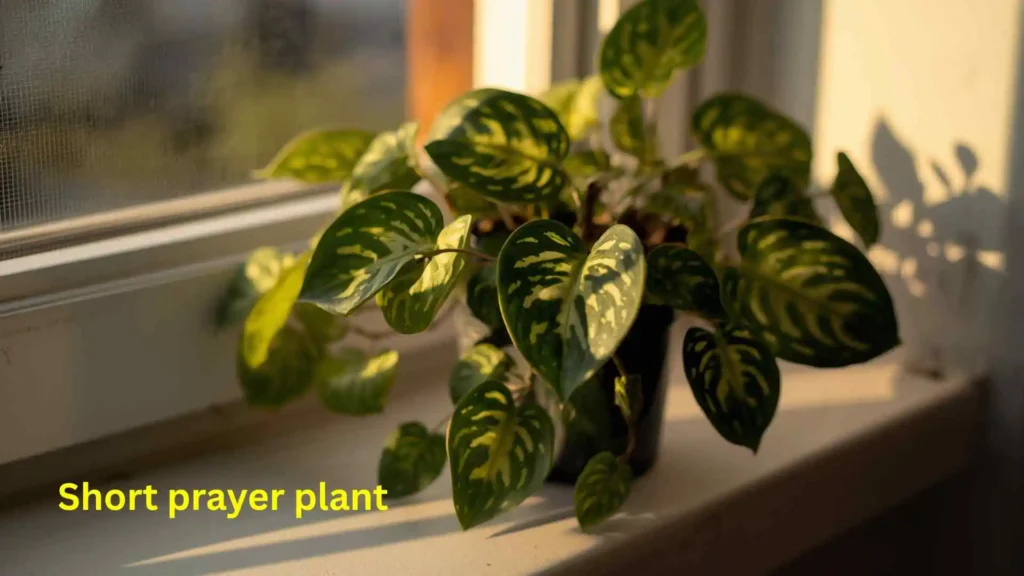
Watering correctly is one of the most important parts of prayer plant care. These plants enjoy evenly moist soil but do not like sitting in excess water.
- Check the top inch of soil before watering.
- Water when the surface feels slightly dry.
- Use room-temperature water when possible.
- Ensure the pot has drainage holes.
- Reduce watering slightly during winter.
Overwatering can lead to root problems, while underwatering may cause leaves to curl or become crispy. Finding the right balance helps the plant stay healthy and vibrant throughout the year.
Prayer plant root nodules
Prayer plant root nodules are small, bulb-like structures that can sometimes be found on the roots. These structures are normal and help store water and nutrients for the plant.
- Act as storage organs for moisture.
- Help the plant survive short dry periods.
- Are usually firm and healthy-looking.
- Should not be confused with root rot.
- Support overall plant health and growth.
Many new plant owners become concerned when they notice these nodules, but they are a natural part of the plant’s root system and usually indicate a healthy plant.
Prayer plant semi-hydro
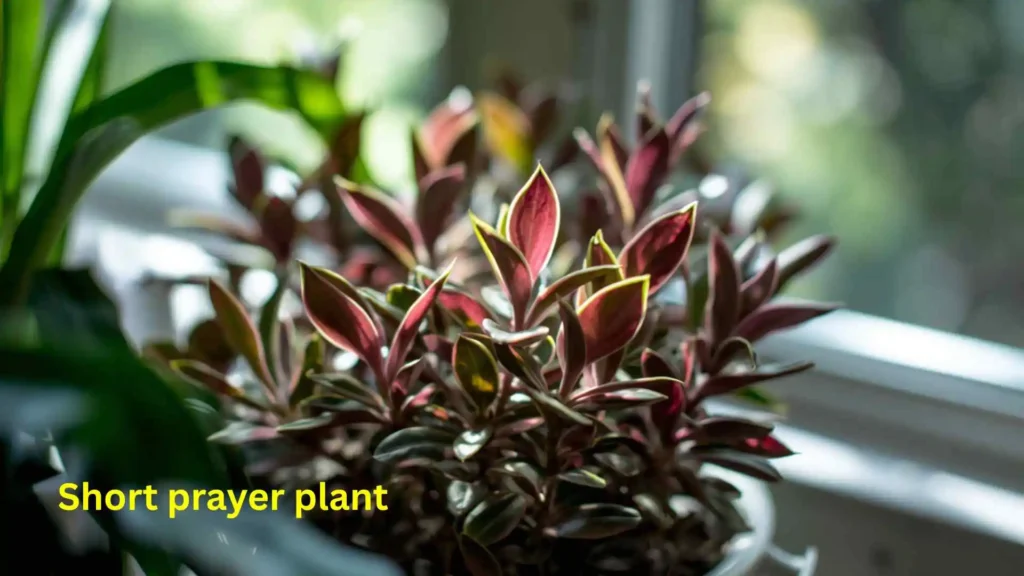
Semi-hydro growing is a method where prayer plants are grown in an inert medium instead of traditional soil. This approach provides consistent moisture while allowing roots to receive oxygen.
- Uses materials such as LECA clay balls.
- Helps regulate water availability.
- Reduces some soil-related issues.
- Allows easy monitoring of root health.
- Can support strong root development.
When transitioning a prayer plant to semi-hydro, it is important to clean the roots carefully and allow the plant time to adjust. With patience, many prayer plants adapt successfully to this growing method.
How to save a prayer plant without roots
A prayer plant without roots may look unhealthy, but it can sometimes be saved with proper care and patience. Quick action gives the plant the best chance of recovery.
- Remove any damaged or rotting plant material.
- Place healthy stem sections in clean water.
- Keep the cutting in bright, indirect light.
- Change the water regularly.
- Wait for new roots to develop before planting.
Root growth may take several weeks, so patience is important. Once healthy roots appear, the plant can be transferred into soil or another suitable growing medium. With consistent care, many prayer plants can successfully recover and begin growing again.
Where to buy short prayer plant
If you want to buy a short prayer plant for your home, look for a healthy Maranta leuconeura at a local plant nursery, garden center, or reputable online plant shop. Prayer plants are popular indoor plants because of their colorful leaves and compact growth. Before buying one, check the plant’s condition rather than choosing it by appearance alone.
- Local nurseries: Visit a nursery and inspect the leaves, stems, and soil before purchasing.
- Online plant shops: Check the plant’s scientific name, pot size, shipping conditions, and seller reviews.
- Garden centers: Ask whether the plant is suitable for indoor growing and what care it needs.
- Plant groups and marketplaces: Local plant communities may offer small prayer plants or rooted cuttings. Check for pests before bringing one home.
Choose a plant with firm stems and healthy leaves. Avoid specimens with widespread yellowing, mushy stems, webbing, or visible insects. If you live in a hot or dry area, make sure the plant can be transported without excessive heat exposure.
Short prayer plant indoors
A short prayer plant can grow well indoors when it receives suitable light, warmth, humidity, and moisture. Its attractive leaves make it a good choice for a desk, shelf, or bright living room. Because direct sunlight can damage its foliage, placement matters more than simply putting it near the brightest window.
- Light: Provide bright, indirect light. An east-facing window or a spot a few feet from a sunny window may work well.
- Water: Water when the top layer of soil begins to dry. Keep the soil lightly moist without leaving the roots sitting in water.
- Humidity: Prayer plants generally prefer moderate to high humidity. Dry air may cause brown leaf edges.
- Temperature: Keep the plant in a comfortably warm room and protect it from cold drafts and sudden temperature changes.
- Pot and soil: Use a pot with drainage holes and a loose, well-draining potting mix.
For example, if your prayer plant sits beside a window and develops faded patches, strong direct sunlight may be the problem. Move it to a spot with filtered light and monitor the new growth. Avoid moving it repeatedly, since sudden changes can also stress the plant.
Short prayer plant care
Proper short prayer plant care means balancing water, light, humidity, soil, and regular maintenance. The goal is to keep the roots healthy while providing the conditions that allow the leaves to grow without becoming dry, pale, or damaged.
- Watering routine: Check the soil with your finger before watering. If the upper layer feels dry, water thoroughly and let excess water drain away.
- Light management: Keep the plant in indirect light. Too little light can slow growth, while harsh sunlight can scorch the leaves.
- Humidity control: If the leaf edges turn brown, check the room’s humidity and watering habits. A humidifier can help when indoor air is consistently dry.
- Feeding: During active growth, use a balanced houseplant fertilizer at the label’s recommended dilution. Avoid overfeeding, especially when growth slows in winter.
- Pruning: Remove dead or badly damaged leaves with clean scissors. Trim leggy growth if you want a fuller appearance.
- Repotting: Repot when the roots become crowded or water passes through the pot unusually quickly. Choose a container only slightly larger than the existing one.
A useful care tip is to change one condition at a time when the plant looks unhealthy. For instance, if the leaves are yellow, check soil moisture and drainage before automatically adding fertilizer. Yellow leaves can result from several different problems, so identifying the cause is more effective than guessing.
Prayer plant problems
Prayer plant problems often appear as yellow leaves, brown edges, curling foliage, slow growth, or damaged roots. These symptoms can help you identify what needs attention, but the same symptom may have more than one cause. Check the soil, lighting, and growing environment before making changes.
- Yellow leaves: Overwatering, poor drainage, or natural aging may cause yellowing. Check whether the soil stays wet for too long.
- Brown leaf tips: Dry air, inconsistent watering, or mineral buildup can contribute to brown edges. Review the plant’s humidity and water quality.
- Curling leaves: The plant may be too dry, exposed to excessive light, or experiencing temperature stress. Check the soil before watering.
- Faded leaf patterns: Insufficient light can reduce the plant’s colorful markings, while direct sunlight may bleach or scorch the foliage.
- Drooping leaves: Check for dry soil, waterlogged roots, or sudden environmental changes.
- Pests: Spider mites, mealybugs, and other houseplant pests can damage leaves. Inspect both sides of the foliage and treat any infestation with a suitable product according to its label.
- Root rot: Persistently wet soil and poor drainage can damage roots. Remove severely affected roots with clean tools and repot in fresh, well-draining soil if necessary.
The best approach is to match the symptom with the growing conditions. For example, a plant with yellow leaves and soggy soil may need less frequent watering, not more. On the other hand, curling leaves with very dry soil may indicate that the plant needs water. Checking both the leaves and the soil helps you make a more reliable decision.
Prayer plant spiritual meaning
The prayer plant is often associated with prayer, gratitude, reflection, peace, and spiritual connection. These meanings come mainly from its distinctive leaf movement and the symbolic interpretations people attach to plants in their homes. They are cultural or personal interpretations rather than scientifically established spiritual effects.
- Prayer and reflection: Its upward-folding leaves at night can remind people of prayer, meditation, or quiet reflection.
- Peace and harmony: Some people use prayer plants to create a calm atmosphere in a bedroom, living room, or personal prayer space.
- Gratitude: Caring for a living plant can serve as a simple reminder to appreciate everyday blessings.
- Growth and renewal: New leaves may symbolize fresh beginnings, personal growth, or hope.
- Mindfulness: Watering and caring for the plant can become a regular moment to slow down and pay attention.
For example, someone may place a prayer plant near a reading chair or prayer corner as a personal reminder to make time for reflection. The plant itself does not guarantee peace or good fortune, but its appearance and care routine may hold meaningful value for its owner.
Why is it called a prayer plant
The plant is called a prayer plant because its leaves often fold upward at night, resembling hands raised during prayer. This movement is known as nyctinasty, a natural response to the daily light cycle that occurs in several plant species.
During the day, the leaves usually spread outward to receive light. As evening approaches, their position changes, and the leaves may rise into a more upright position. The movement can be noticeable enough to make the plant look different at night than it does during the day.
Here are a few important facts about this behavior:
- It is natural movement: The leaves move because of changes in specialized structures at the base of the leaf stalks.
- It follows a daily rhythm: Light and the plant’s internal biological processes help regulate the movement.
- It does not mean the plant is actually praying: The name describes how the leaves look, not a conscious action.
- Different plants may move differently: The degree of movement can vary with the species, age, health, and growing conditions.
This unusual leaf movement is one reason prayer plants appeal to indoor gardeners. If your plant’s leaves do not fold dramatically at night, that does not automatically mean it is unhealthy. Focus on its overall growth, leaf condition, and care requirements.
Short prayer plant for sale
When searching for a short prayer plant for sale, compare the plant’s size, variety, condition, and seller information before making a purchase. A small prayer plant can be suitable for a desk, shelf, or compact indoor garden, but its mature size and care needs depend on the variety.
- Check the variety: Look for the correct plant name, such as Maranta leuconeura, and confirm the leaf pattern if you want a particular variety.
- Compare plant sizes: Listings may describe the pot diameter rather than the height or spread of the plant. Check both measurements when available.
- Inspect plant health: Choose plants with firm stems, healthy foliage, and no obvious pests or signs of rot.
- Review delivery conditions: Live plants can suffer during extreme heat or cold. Check the seller’s packaging and shipping policies.
- Read the return policy: Confirm how the seller handles damaged plants or delivery problems.
- Consider the total price: Include the pot, shipping, and any other charges when comparing offers.
Before ordering, make sure the plant will suit the location where you plan to keep it. A compact plant still needs adequate indirect light, suitable humidity, and good drainage. Buying a healthy specimen and providing consistent care will give it a better chance of adapting to its new home.
🌞 Daily Short Prayers for Your Prayer Plant
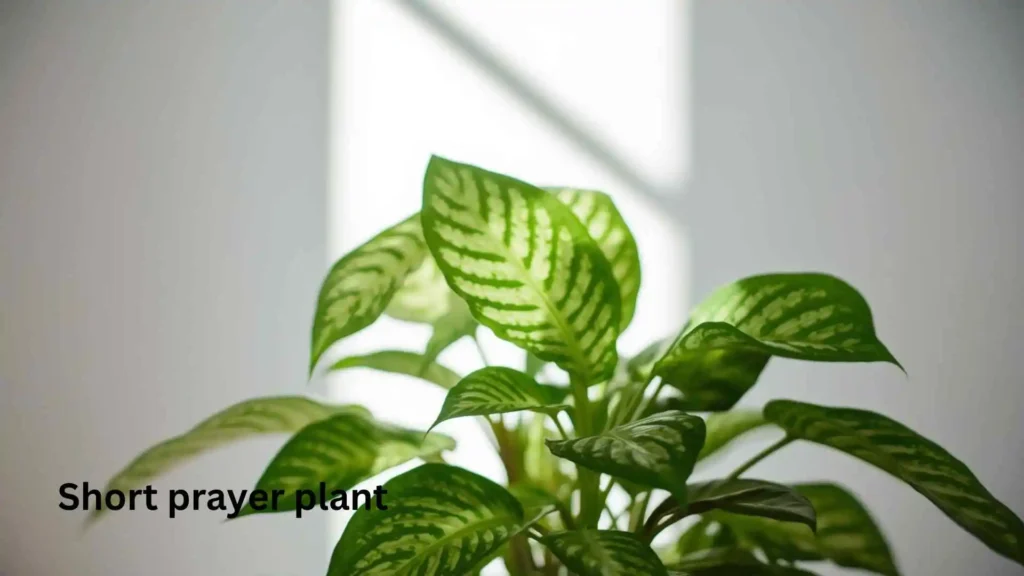
Morning Blessing ☀️
- Lord, bless this plant as I start my day.
- Father, let it grow under Your guidance.
- Holy Spirit, remind me of Your presence as I water it.
- Jesus, fill my heart with gratitude and love for all living things.
Bible Verse: Lamentations 3:22-23 – “The steadfast love of the Lord never ceases; His mercies never come to an end; they are new every morning.”
Afternoon Care 🌼
- God, refresh this plant as I care for it today.
- Lord, let it absorb light and energy for growth.
- Father, help me remain mindful and present in nurturing it.
- Holy Spirit, guide me to care with love and consistency.
Bible Verse: Colossians 3:23 – “Whatever you do, work at it with all your heart, as working for the Lord.”
Evening Reflection 🌙
- Lord, thank You for the life and growth of this plant today.
- Father, protect it through the night.
- Jesus, let its continued growth remind me of Your faithfulness.
- Holy Spirit, help me rest knowing I have cared for Your creation.
Bible Verse: Psalm 127:2 – “It is in vain that you rise up early and go late to rest, eating the bread of anxious toil; for he gives to his beloved sleep.”
Short prayer plant prayers for protection
Prayer plants are often loved not only for their beautiful leaves but also for the peaceful feeling they bring into a home. Many people enjoy saying a short prayer while caring for their prayer plant as a symbol of protection, peace, and growth.
- May this prayer plant remind me that I am always protected and guided.
- May peace fill my home and guard my heart each day.
- May God’s protection surround my family wherever we go.
- May love, hope, and safety grow as beautifully as this plant.
- May every challenge be replaced with strength and faith.
These simple prayers can create a calming moment during your plant care routine. They are easy to remember and help bring a sense of comfort and gratitude.
How do prayer plants grow
Prayer plants grow from rhizomes, which are underground stems that store nutrients and water. They are known for their unique leaves that fold upward at night, giving them the appearance of praying hands.
- Thrive best in bright, indirect sunlight.
- Prefer warm temperatures and high humidity.
- Grow well in loose, well-draining soil.
- Need consistent moisture without becoming waterlogged.
- Produce new leaves from the center of the plant.
With proper care, prayer plants can grow lush and full, making them a beautiful addition to indoor spaces. Their growth is usually steady during spring and summer when conditions are ideal.
Prayer plant support
Prayer plants generally do not require heavy support because they naturally spread outward rather than growing tall. However, providing the right environment helps them stay healthy and vibrant.
- Place the plant in bright, indirect light.
- Maintain humidity levels above average indoor conditions.
- Keep temperatures between 65°F and 80°F (18°C to 27°C).
- Use a well-draining potting mix.
- Remove damaged leaves to encourage healthy growth.
If stems become long or leggy, gentle pruning can help the plant maintain a fuller appearance. Proper support through care and maintenance keeps the plant looking its best.
How to water a prayer plant
Watering correctly is one of the most important parts of prayer plant care. These plants enjoy evenly moist soil but do not like sitting in excess water.
- Check the top inch of soil before watering.
- Water when the surface feels slightly dry.
- Use room-temperature water when possible.
- Ensure the pot has drainage holes.
- Reduce watering slightly during winter.
Overwatering can lead to root problems, while underwatering may cause leaves to curl or become crispy. Finding the right balance helps the plant stay healthy and vibrant throughout the year.
Prayer plant root nodules
Prayer plant root nodules are small, bulb-like structures that can sometimes be found on the roots. These structures are normal and help store water and nutrients for the plant.
- Act as storage organs for moisture.
- Help the plant survive short dry periods.
- Are usually firm and healthy-looking.
- Should not be confused with root rot.
- Support overall plant health and growth.
Many new plant owners become concerned when they notice these nodules, but they are a natural part of the plant’s root system and usually indicate a healthy plant.
Prayer plant semi-hydro
Semi-hydro growing is a method where prayer plants are grown in an inert medium instead of traditional soil. This approach provides consistent moisture while allowing roots to receive oxygen.
- Uses materials such as LECA clay balls.
- Helps regulate water availability.
- Reduces some soil-related issues.
- Allows easy monitoring of root health.
- Can support strong root development.
When transitioning a prayer plant to semi-hydro, it is important to clean the roots carefully and allow the plant time to adjust. With patience, many prayer plants adapt successfully to this growing method.
How to save a prayer plant without roots
A prayer plant without roots may look unhealthy, but it can sometimes be saved with proper care and patience. Quick action gives the plant the best chance of recovery.
- Remove any damaged or rotting plant material.
- Place healthy stem sections in clean water.
- Keep the cutting in bright, indirect light.
- Change the water regularly.
- Wait for new roots to develop before planting.
Root growth may take several weeks, so patience is important. Once healthy roots appear, the plant can be transferred into soil or another suitable growing medium. With consistent care, many prayer plants can successfully recover and begin growing again.
💖 Short Prayer Plant for Spiritual Guidance
Seeking God’s Wisdom
- Lord, let this plant inspire me to grow in wisdom daily.
- Father, guide my decisions as I care for it.
- Holy Spirit, teach me patience and discernment.
- Jesus, help me reflect Your light in every choice.
Bible Verse: James 1:5 – “If any of you lacks wisdom, you should ask God, who gives generously to all without finding fault.”
Strengthening Faith 🌿
- God, let this plant remind me to trust Your timing.
- Lord, help me grow spiritually as it grows physically.
- Father, nurture faith in my heart like You nurture this plant.
- Holy Spirit, keep me steadfast in prayer and devotion.
Bible Verse: Hebrews 11:1 – “Now faith is confidence in what we hope for and assurance about what we do not see.”
Protection & Blessing
- Lord, protect this plant from harm and decay.
- Father, bless it as a symbol of Your care and providence.
- Jesus, let it remind me of Your daily blessings.
- Holy Spirit, surround it and me with Your protection and peace.
Bible Verse: Psalm 121:7-8 – “The Lord will keep you from all harm—he will watch over your life.”
🌸 Short Prayer Plant for Mental Peace
Calm & Relaxation
- Lord, help this plant bring peace into my space.
- Father, let me feel calm as I care for it.
- Holy Spirit, guide my thoughts to serenity.
- Jesus, remind me that You are my ultimate rest.
Bible Verse: Philippians 4:6-7 – “Do not be anxious about anything, but in every situation, by prayer and petition, with thanksgiving, present your requests to God. And the peace of God will guard your hearts and your minds in Christ Jesus.”
Reducing Stress 🌿
- God, let this plant remind me to pause and breathe.
- Lord, refresh my mind with its gentle presence.
- Father, teach me to release worries as I care for it.
- Holy Spirit, fill my space with calm and light.
Bible Verse: Matthew 11:28 – “Come to me, all you who are weary and burdened, and I will give you rest.”
Inspiring Gratitude
- Lord, thank You for this plant and the lessons it teaches.
- Father, help me recognize Your hand in all creation.
- Jesus, let its growth inspire gratitude in my heart.
- Holy Spirit, remind me to give thanks daily.
Bible Verse: 1 Thessalonians 5:18 – “Give thanks in all circumstances; for this is God’s will for you in Christ Jesus.”
❓ FAQs: Short Prayer Plant
- What is a short prayer plant?
It’s a small indoor plant, often called a “prayer plant,” symbolizing devotion, growth, and spiritual mindfulness. - Why pray for a prayer plant?
Prayers help focus your mind, nurture faith, and symbolize spiritual growth alongside caring for the plant. - How often should I pray over my plant?
Daily prayers in the morning, afternoon, and evening are ideal for spiritual and physical care. - Can kids use these prayers?
Yes, the prayers are simple, short, and suitable for all ages. - Does praying help the plant grow?
While prayer doesn’t directly affect plant growth, it fosters mindfulness and patience, indirectly encouraging better care. - Can these prayers be used for any indoor plant?
Absolutely! The prayers are symbolic of nurturing life, faith, and growth in any living plant. - What makes a prayer plant happy?
- A prayer plant stays happy when it receives bright, indirect sunlight, consistent moisture, and high humidity. It also grows best in well-draining soil and warm indoor temperatures, which help keep its colorful leaves healthy and vibrant.
- How to pray for a person with schizophrenia?
- When praying for someone with schizophrenia, ask for peace, strength, healing, wisdom, and comfort in their daily life. You can also pray for supportive relationships, effective treatment, and guidance for both the individual and their caregivers.
- What is the miracle prayer that works instantly?
- Many people believe that a miracle prayer is a sincere prayer spoken with faith, trust, and a hopeful heart. While results may vary, heartfelt prayers often bring immediate comfort, peace, and spiritual encouragement during difficult times.
- What is the 3 day miracle prayer that never fails?
- The 3-day miracle prayer is a devotional prayer practice that some believers repeat over three consecutive days while focusing on a specific intention. It is often used to seek guidance, blessings, hope, and spiritual support during challenging situations.
- What are the three strongest prayers?
- Many Christians consider prayers of faith, gratitude, and repentance among the strongest prayers. These prayers help strengthen a person’s relationship with God while seeking guidance, forgiveness, and blessings.
- What is the prayer that never fails?
- A prayer that never fails is often described as a prayer aligned with God’s will and offered with genuine faith. Even when answers come differently than expected, such prayers can provide strength, wisdom, and inner peace.
- What is the prayer for breakthrough and miracles at 3am?
- A 3am breakthrough prayer is commonly used to seek divine help, protection, guidance, and blessings during quiet hours of reflection. Many believers use this time to pray for personal breakthroughs, miracles, and renewed spiritual strength.
What makes a prayer plant happy?
A prayer plant stays happy when it receives bright, indirect sunlight, consistent moisture, and high humidity. It also grows best in well-draining soil and warm indoor temperatures, which help keep its colorful leaves healthy and vibrant.
How to pray for a person with schizophrenia?
When praying for someone with schizophrenia, ask for peace, strength, healing, wisdom, and comfort in their daily life. You can also pray for supportive relationships, effective treatment, and guidance for both the individual and their caregivers.
What is the miracle prayer that works instantly?
Many people believe that a miracle prayer is a sincere prayer spoken with faith, trust, and a hopeful heart. While results may vary, heartfelt prayers often bring immediate comfort, peace, and spiritual encouragement during difficult times.
What is the 3 day miracle prayer that never fails?
The 3-day miracle prayer is a devotional prayer practice that some believers repeat over three consecutive days while focusing on a specific intention. It is often used to seek guidance, blessings, hope, and spiritual support during challenging situations.
What are the three strongest prayers?
Many Christians consider prayers of faith, gratitude, and repentance among the strongest prayers. These prayers help strengthen a person’s relationship with God while seeking guidance, forgiveness, and blessings.
What is the prayer that never fails?
A prayer that never fails is often described as a prayer aligned with God’s will and offered with genuine faith. Even when answers come differently than expected, such prayers can provide strength, wisdom, and inner peace.
What is the prayer for breakthrough and miracles at 3am?
A 3am breakthrough prayer is commonly used to seek divine help, protection, guidance, and blessings during quiet hours of reflection. Many believers use this time to pray for personal breakthroughs, miracles, and renewed spiritual strength.
Do prayer plants climb or hang?
Prayer plants usually grow low and spread outward rather than climb or trail like traditional hanging plants. Their stems may spread over the edges of a pot as they mature, making them suitable for shelves or plant stands. They’re best grown in a container that gives their leaves room to spread.
What are the common problems with prayer plants?
Common prayer plant problems include brown leaf tips, yellow leaves, curling leaves, and faded patterns. These issues often result from low humidity, incorrect watering, too much direct sunlight, or poor drainage. Check the soil and lighting conditions before changing your care routine.
Where is the best place to put a prayer plant in your house?
Place a prayer plant in a warm room with bright, indirect light, such as near an east-facing window or a few feet from a sunny window. Keep it away from harsh direct sunlight, cold drafts, and heating or air-conditioning vents. A humid bathroom can also work if it receives enough natural light.
Do prayer plants like big or small pots?
Prayer plants generally do better in a pot that fits their root system rather than an oversized container. Choose a pot about 1–2 inches wider than the root ball, with drainage holes to prevent waterlogged soil. A pot that’s too large can hold excess moisture and increase the risk of root rot.
Conclusion
Short prayer plant prayers offer more than plant care—they nurture patience, mindfulness, and spiritual growth. By combining daily prayers with consistent care, you honor God’s creation and invite His blessings into your home. Let your prayer plant be a symbol of faith, gratitude, and divine protection every day.
Discover More Topics:
- 50+ Short Prayers for September to My Love | Sweet Blessings for a New Month Together
- 60+ People Who Prayed in the Bible | Powerful Examples of Faith, Hope, and Answered Prayers

Lily Anderson
Hi, I’m Lily Anderson, a passionate writer who believes in the power of prayers and positivity. Ever since I was young, I’ve found comfort and inspiration in sharing stories that uplift the soul. Writing has always been my way of connecting with people, spreading hope, and exploring the deeper meaning of life. I love exploring the intersection of faith, daily life, and personal growth through my words. Every story I write comes from the heart, and I hope it touches yours too. When I’m not writing, you can find me journaling or meditating on new ideas for prayers.
Books:
-
Whispers of Hope
-
Daily Blessings: A Prayer Journal