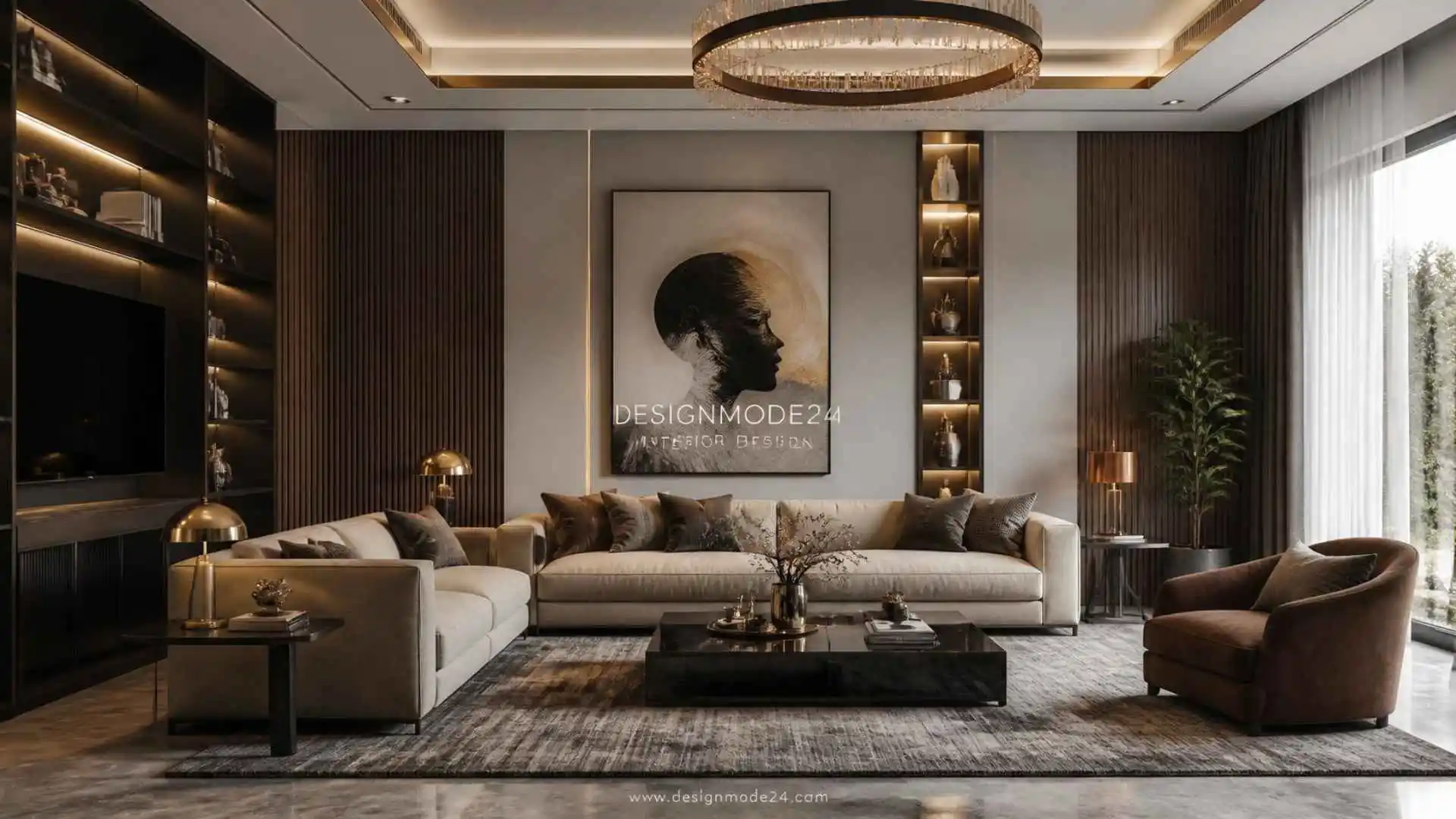
A beautiful room can catch your eye, but a well-designed room keeps working long after the first impression fades. That difference sits at the heart of Designmode24 interior design.
The idea focuses on more than attractive furniture or fashionable colors. It brings together space planning, furniture arrangement, lighting, color, materials, storage, comfort, and personal expression. The goal is simple: create a space that looks intentional while supporting the way you actually live.
It’s also important to clarify what Designmode24 means. Unlike established interior design movements such as Art Deco or Bauhaus, DesignMode24 isn’t a formally recognized historical design style with one fixed visual rulebook. Current websites using the name describe it primarily as an interior design and home-improvement resource or as a practical approach to creating useful, attractive homes.
That makes the concept flexible. You can apply its practical ideas to a modern apartment, traditional house, compact bedroom, open-plan home, kitchen, bathroom, or complete property.
What Is Designmode24 Interior Design?
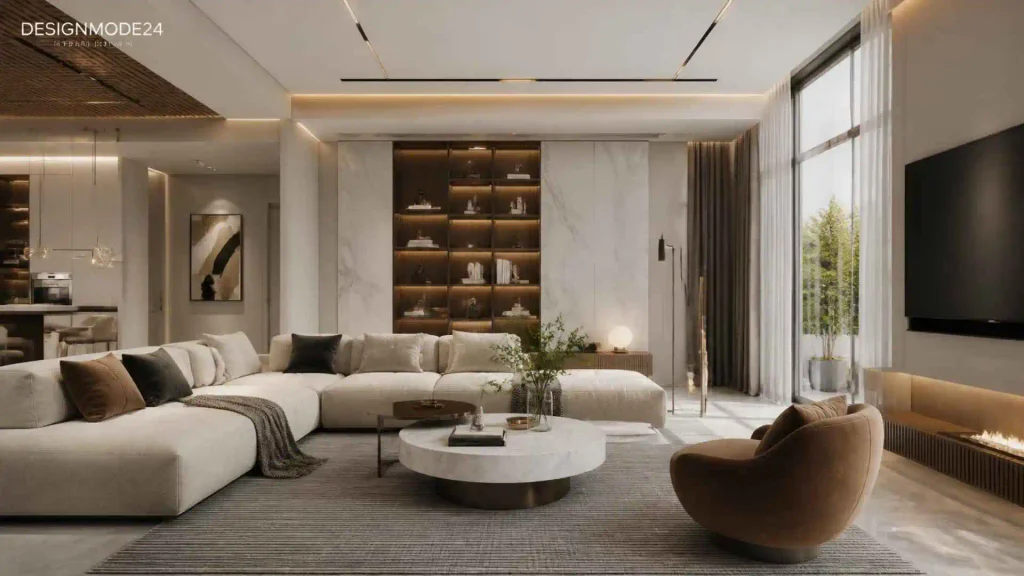
Designmode24 interior design can be understood as a practical approach to designing spaces around both appearance and everyday use.
Instead of starting with decoration, start with the room itself. What happens there? Who uses it? How much space is available? Where do people walk? What needs to be stored? Where does daylight enter?
Those questions create the foundation for better interior planning.
Current DesignMode24 material emphasizes room-by-room ideas, furniture layouts, storage, lighting, paint, flooring, kitchens, bathrooms, bedrooms, living rooms, and home improvement.
A useful Designmode24 approach therefore connects several elements:
- Functionality and usability
- Comfort and everyday convenience
- Aesthetics and visual appeal
- Furniture placement
- Space planning
- Interior colors
- Lighting
- Materials and textures
- Storage and organization
- Personal expression
- Long-term practicality
Think of the room as a system rather than a collection of products. A sofa doesn’t exist separately from the rug, lighting, pathways, storage, and table around it. Every choice changes the way the entire space feels and functions.
Good interior design doesn’t force you to choose between beauty and practicality. It makes the two work together.
Is Designmode24 a Formal Interior Design Style?
No. There is an important distinction between Designmode24 and established interior design styles.
Terms such as Scandinavian, industrial, traditional, Art Deco, and Mid-Century Modern describe recognizable design traditions with identifiable visual characteristics and historical development. Designmode24 doesn’t have the same established status.
A current page specifically addressing the term notes that several similarly named websites use “DesignMode24” differently. It describes the phrase more usefully as a practical design framework rather than a rigid style.
That distinction prevents a common mistake.
You don’t need to search for a fixed “Designmode24 color palette” or a mandatory list of Designmode24 furniture. Instead, you can use its practical principles while choosing the style that fits your home.
For example, a Designmode24-inspired room could use:
- Modern furniture with warm wood.
- Minimalist storage with traditional artwork.
- Scandinavian-inspired colors with contemporary lighting.
- Industrial materials softened by natural fabrics.
- Classic furniture arranged within a modern open-plan layout.
The framework stays practical while the visual language changes.
What Are the Core Principles of Designmode24 Interior Design?
Strong interior design principles help prevent a room from becoming a random collection of attractive objects.
The most useful principles include balance, proportion, scale, contrast, repetition, composition, continuity, and functionality.
Balance
Balance controls how visual weight spreads through a room.
A large dark sofa carries more visual weight than a small pale chair. If you place several heavy elements on one side, the room may feel uneven.
You can create balance through symmetry, furniture placement, color distribution, lighting, or contrasting materials.
Proportion and Scale
Proportion describes how elements relate to one another. Scale concerns how an object relates to the surrounding space.
A massive sectional can dominate a compact living room even when it technically fits. Likewise, tiny furniture can look lost inside a large room.
Before purchasing furniture, compare its dimensions with the room’s floor area and other major pieces.
Contrast
Contrast gives a room definition.
You can create it with:
- Light and dark colors
- Smooth and rough textures
- Wood and metal
- Large and small objects
- Soft and hard surfaces
- Warm and cool tones
Too little contrast can make a room feel flat. Too much can make it feel chaotic.
Repetition
Repeating selected elements creates visual consistency.
For example, you might repeat a wood tone across a coffee table, shelving, and dining furniture. You don’t need every item to match. Repetition simply gives the eye a pattern to follow.
Visual Harmony
Visual harmony happens when different elements feel connected.
Color, material, furniture shape, lighting, and decorative details should support one another rather than compete for attention.
Harmony doesn’t mean everything has to match. In fact, excessive matching can make a room feel artificial.
Functionality
A room should perform its intended job.
A beautiful home office becomes frustrating if the desk blocks a pathway. A stylish bedroom loses practicality if the wardrobe doors can’t open properly.
Function comes first because people experience interiors through movement and daily routines.
How to Plan a Designmode24 Interior Design Project
Successful interior design project planning starts before shopping.
Begin by studying the room. Measure the walls, floor area, ceiling height, doors, windows, and fixed architectural elements. Record anything that could affect furniture placement.
Your measurements should include:
- Room length and width
- Ceiling height
- Door locations and swing direction
- Window locations
- Electrical outlets
- Heating systems
- Columns
- Built-in cabinets
- Radiators or other fixed equipment
- Existing plumbing where relevant
- Available floor area
These details may seem boring compared with choosing paint. They aren’t.
A five-minute measurement can prevent an expensive furniture mistake.
Define the Room’s Purpose
Write down what the room needs to accomplish.
A living room might need to support television viewing, conversation, reading, storage, and entertaining. A bedroom might prioritize sleep, clothing storage, dressing, and relaxation.
Once the purpose becomes clear, furniture selection becomes easier.
Establish a Design Budget
Separate your budget into major categories before purchasing anything.
| Category | What to Consider |
| Furniture | Sofa, bed, tables, chairs, storage |
| Lighting | Ceiling fixtures, lamps, task lighting |
| Surfaces | Flooring, paint, wall treatments |
| Textiles | Rugs, curtains, cushions, bedding |
| Storage | Cabinets, shelving, wardrobes |
| Accessories | Artwork, plants, ceramics, decorative objects |
| Labor | Installation, electrical, painting, renovation |
| Contingency | Unexpected project costs |
Don’t spend most of your budget on one beautiful item if the room still lacks basic lighting, storage, or suitable furniture.
Create a Mood Board
A mood board helps turn scattered inspiration into a coherent direction.
Collect examples of:
- Furniture shapes
- Wall colors
- Flooring
- Textures
- Lighting
- Fabrics
- Decorative details
- Architectural features
Then look for repetition. If your references repeatedly show warm wood, soft neutrals, black accents, and textured fabrics, you’ve already discovered part of your design direction.
How to Create a Functional Room Layout
A good room layout should make movement feel natural.
Start with the largest furniture pieces. Place the sofa, bed, dining table, desk, or other primary object first. Then add secondary pieces.
Consider the routes people naturally take through the room.
A pathway from a doorway to a frequently used area shouldn’t require people to weave around furniture. Similarly, cabinet doors, drawers, wardrobes, and appliances need enough room to operate.
Furniture Placement Matters More Than Most People Think
Furniture can either improve a room or quietly ruin it.
Avoid automatically placing every piece against the wall. Sometimes floating furniture creates better zones and improves circulation.
For a living room, consider:
- A clear focal point
- Conversation areas
- Television viewing if required
- Access to tables
- Walking paths
- Storage
- Natural light
- Lamp placement
The same principle applies to bedrooms, offices, and dining spaces.
Space planning isn’t about filling every empty area. It’s about deciding what space should remain empty so the room can function.
Interior Design Styles That Work With the Designmode24 Approach
Because Designmode24 isn’t a fixed visual style, you can apply its principles across different aesthetics.
Modern Interior Design
Modern interior design generally favors clean forms, functional furniture, restrained decoration, and clear visual structure.
A practical modern room might combine:
- Clean-lined furniture
- Neutral walls
- Natural wood
- Simple lighting
- Limited decorative clutter
- Functional storage
The strongest modern interiors don’t remove personality. They simply control it.
Minimalist Interior Design
Minimalist design focuses on intentional choices rather than simply owning fewer objects.
Good minimalist interiors use:
- Simple furniture
- Uncluttered layouts
- Controlled color palettes
- Integrated storage
- Functional decoration
- Quality over unnecessary quantity
Minimalism works especially well in compact rooms because visual clutter can make limited space feel even smaller.
Traditional Interior Design
Traditional interiors often use classic furniture forms, decorative details, established materials, and a more formal composition.
You can still make traditional design practical by controlling furniture scale, improving storage, and adding modern lighting where appropriate.
Contemporary Interior Design
Contemporary design responds to current preferences and materials rather than following one historical period.
It can combine clean lines with softer furniture, natural materials, sculptural lighting, or carefully selected color accents.
Scandinavian-Inspired Interior Design
Scandinavian-inspired spaces often emphasize simplicity, functionality, light visual palettes, natural materials, and comfortable textiles.
The approach can work particularly well where you want a room to feel calm without becoming visually sterile.
Industrial Interior Design
Industrial interiors can use metal, wood, exposed structures, practical furniture, and stronger contrasts.
However, hard materials can make a room feel cold if you don’t balance them with textiles, lighting, rugs, and softer furnishings.
How to Choose Furniture for a Designmode24 Interior
Furniture should fit both your room and your lifestyle.
Start with furniture dimensions. Measure the available area, then compare those measurements with the product’s width, depth, and height.
Pay special attention to:
- Sofa depth
- Chair width
- Dining table size
- Bed dimensions
- Wardrobe depth
- Cabinet doors
- Drawer clearance
- Shelf height
- Coffee table proportions
Choose Furniture Based on Real Use
A beautiful sofa that doesn’t provide enough comfortable seating isn’t a successful purchase.
Likewise, a dining table that looks perfect in a showroom may overwhelm a small dining space.
Consider whether furniture needs to provide:
- Seating
- Sleeping
- Storage
- Work space
- Display space
- Flexible use
Multifunctional furniture can become especially useful in compact homes. Storage ottomans, sofa beds, beds with drawers, folding desks, and adaptable shelving can provide more utility without consuming additional floor space.
How to Use Color in Interior Design
Color affects the visual character of a room, but you don’t need a complicated theory lesson to use it effectively.
Begin with the existing conditions.
Ask:
- How much natural light enters?
- Which direction do the windows face?
- What colors already exist in the flooring?
- What furniture must remain?
- Should the room feel calm, energetic, warm, or dramatic?
Neutral Colors
Neutral colors provide a flexible foundation.
White, cream, beige, taupe, gray, and similar shades can support different furniture and accessory choices. However, neutral doesn’t automatically mean boring.
Texture becomes important when the palette remains restrained.
Accent Colors
Accent colors work best when they have a clear purpose.
A stronger color might appear through:
- One chair
- Artwork
- Cushions
- Curtains
- A rug
- Decorative objects
- A feature wall
Test Paint Samples
Never judge a paint color only from a small digital image.
Light changes color throughout the day. A shade that looks soft in morning daylight may appear very different under artificial lighting at night.
Paint samples can reveal how the color behaves inside your actual room.
How Materials and Textures Shape an Interior
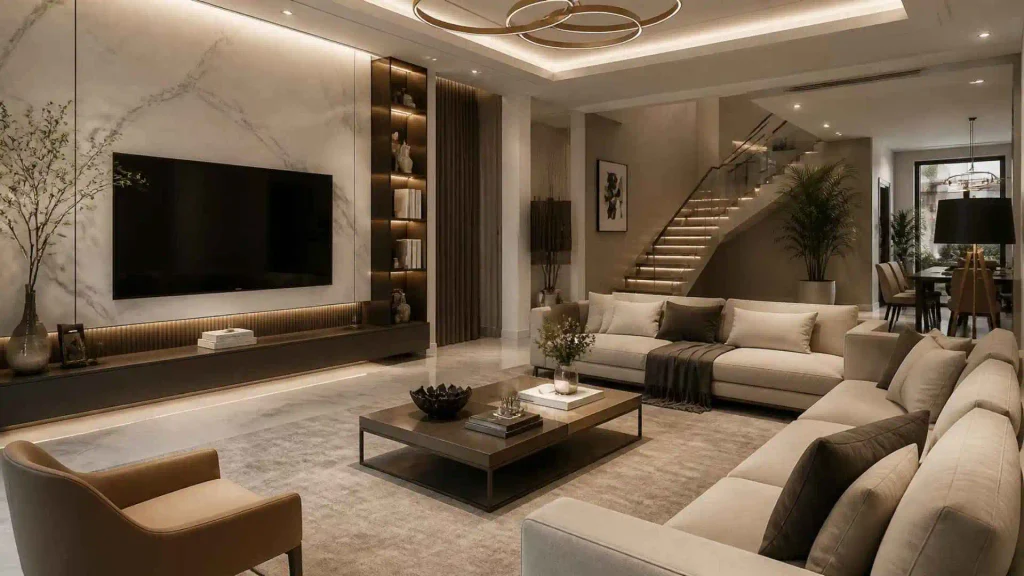
Materials contribute more than appearance. They influence durability, maintenance, comfort, and atmosphere.
Common interior materials include:
- Wood
- Stone
- Metal
- Glass
- Ceramic
- Natural fabrics
- Synthetic textiles
- Engineered surfaces
Wood can introduce warmth. Metal can create structure and contrast. Stone can add visual weight. Fabrics soften hard architectural surfaces.
Use Texture to Add Depth
Texture becomes especially important when you use a restrained color palette.
You can combine:
- Smooth walls
- Textured upholstery
- Woven rugs
- Linen curtains
- Wood grain
- Ceramic surfaces
- Soft throws
The goal isn’t to make every surface different. Too many competing textures can create noise.
Instead, select a few textures that reinforce the room’s personality.
How to Build an Effective Interior Lighting Plan
Lighting can completely change how a room looks and feels.
A single overhead fixture often provides basic illumination but doesn’t address every activity. A stronger home lighting design uses several layers.
Ambient Lighting
Ambient lighting provides general illumination throughout the room.
Ceiling fixtures and other broad light sources often serve this role.
Task Lighting
Task lighting supports specific activities.
Examples include:
- Desk lighting
- Reading lamps
- Kitchen counter lighting
- Vanity lighting
- Bedside lamps
Accent Lighting
Accent lighting draws attention to selected features.
You might highlight artwork, shelving, architectural details, or a decorative object.
Layered Lighting
The strongest approach often combines ambient, task, and accent lighting.
Natural daylight should also become part of the plan. Window placement, curtains, furniture positioning, and reflective surfaces can affect how daylight spreads through the room.
Energy-efficient lighting can further reduce unnecessary energy use without sacrificing useful illumination.
How to Design Walls, Floors, and Ceilings
Walls, floors, and ceilings form the room’s largest visual surfaces. Small mistakes across these areas can become surprisingly noticeable.
Wall Design
Wall treatments can include:
- Paint
- Wallpaper
- Wall panels
- Artwork
- Photographs
- Mirrors
- Decorative shelving
- Selected accent treatments
A mirror can increase perceived openness in the right location. Artwork can establish a focal point. Shelving can combine storage and display.
Flooring
Flooring needs to withstand the demands of the room.
Common choices include:
- Hardwood
- Engineered wood
- Tile
- Stone
- Rugs
- Other resilient flooring materials
Consider traffic, moisture, cleaning, durability, and furniture placement before choosing a surface.
Ceiling Design
Ceilings often receive less attention than walls, but lighting fixtures and architectural details can strongly affect the room.
The safest approach is usually to make ceiling treatments support the overall composition rather than compete with it.
How to Make a Small Room Feel More Spacious
Small-space interior design isn’t about making a tiny room physically larger. It is about using the available area more intelligently.
Start with furniture scale.
An oversized sofa can consume valuable floor space. A compact piece with appropriate proportions may provide the same function while leaving better circulation.
Useful small space solutions include:
- Vertical storage
- Wall-mounted shelves
- Wall-mounted cabinets
- Hidden storage
- Multifunctional furniture
- Furniture with exposed floor beneath
- Mirrors in suitable locations
- Light visual palettes
- Clear pathways
- Limited decorative clutter
Use Vertical Space
When floor space runs short, look upward.
Tall shelving, wardrobes, and wall-mounted storage can increase capacity without expanding the furniture footprint.
However, don’t cover every wall with storage. Empty areas provide visual breathing room.
How to Improve Storage and Organization
Storage should become part of the design from the beginning.
A room becomes difficult to maintain when everyday belongings have nowhere to go. Once surfaces fill with objects, visual clutter grows quickly.
Start by identifying what you actually need to store.
Then assign storage according to frequency of use.
Frequently used items should stay accessible. Seasonal or rarely used belongings can move into less accessible storage.
Useful storage options include:
- Cabinets
- Shelving
- Wardrobes
- Consoles
- Built-in storage
- Under-bed storage
- Wall-mounted cabinets
- Closed storage
- Open display shelving
Good organization doesn’t mean hiding everything. It means deciding what deserves visibility.
How to Add Personality Without Creating Clutter
A room shouldn’t look like a furniture showroom.
Personal expression gives an interior its identity.
You can introduce personality through:
- Artwork
- Books
- Photographs
- Plants
- Ceramics
- Cushions
- Throws
- Decorative objects
- Travel-related pieces
- Family items
- Favorite colors
Grouping objects can make them feel intentional.
For example, three ceramics with related colors may look stronger together than six unrelated objects scattered around the room.
Varying height also creates visual interest. A tall plant beside a low cabinet creates a different composition from several objects at the same height.
Sustainable Interior Design for Long-Term Value
Sustainable interior design doesn’t require every product in a home to carry an environmental label.
Start with decisions that reduce unnecessary replacement.
Durable furniture can remain useful for longer. Repair can extend the life of an existing piece. Reuse can prevent functional furniture from becoming waste simply because the room’s style changed.
Practical options include:
- Repairing useful furniture
- Reusing existing pieces
- Choosing durable materials
- Considering vintage furniture
- Using reclaimed wood where appropriate
- Selecting long-lasting finishes
- Using daylight effectively
- Improving natural ventilation where possible
- Choosing energy-efficient lighting
The product lifecycle matters too. A cheap product that requires frequent replacement may not provide better long-term value than a more durable alternative.
Timeless Design vs. Current Interior Trends
Trends can provide inspiration, but they shouldn’t dictate every major decision.
A practical interior uses a timeless foundation and introduces trends through elements that are easier to change.
For example, replacing cushions or artwork costs far less than replacing flooring, cabinetry, or major furniture.
A flexible interior might use:
- Timeless flooring
- Durable furniture
- Neutral or adaptable large surfaces
- Trend-driven accessories
- Replaceable textiles
- Flexible lighting
- Adjustable storage
This approach lets the room evolve without requiring a complete renovation every time tastes change.
Common Interior Design Mistakes to Avoid
Even attractive rooms can fail when basic planning goes wrong.
| Common Problem | What Goes Wrong | Better Solution |
| Furniture before measuring | Pieces may not fit properly | Measure first |
| Oversized furniture | Floor space disappears | Match scale to the room |
| Blocked pathways | Movement becomes awkward | Plan circulation early |
| One light source | Lighting feels flat or uneven | Layer ambient, task, and accent light |
| Too little storage | Everyday items create clutter | Plan designated storage |
| Excessive decoration | Visual focus becomes unclear | Edit accessories |
| Poor proportions | Furniture looks disconnected | Compare scale carefully |
| Untested paint | Color behaves differently than expected | Test samples |
| Trend-heavy design | Major elements can date quickly | Keep the foundation adaptable |
| Unplanned spending | Budget disappears on low-priority items | Set priorities before purchasing |
One of the most expensive mistakes is buying something simply because it looks good by itself.
A product needs to work inside the room.
How to Combine Interior Design Elements Into One Cohesive Space
Cohesion doesn’t require identical furniture or a single color.
Instead, connect elements through repetition and relationships.
You might repeat a wood tone in furniture and shelving. You might echo a wall color through artwork and textiles. You might repeat a metal finish across lighting and hardware.
These connections help create design consistency.
Use Visual Weight Carefully
Large, dark, heavily patterned objects attract attention quickly.
If one side of a room contains several visually heavy pieces, balance them with lighter forms elsewhere.
Connect Adjacent Rooms
Open-plan homes especially need continuity.
You don’t have to use the exact same furniture throughout the property. Instead, repeat selected materials, colors, finishes, or shapes.
That creates a relationship between spaces without making every room identical.
Designmode24 Interior Design Checklist
Before finalizing a room, walk through this checklist:
- Define the room’s purpose.
- Measure the available space.
- Record doors and windows.
- Identify outlets and fixed features.
- Establish the budget.
- Choose a design direction.
- Create a mood board.
- Plan furniture placement.
- Check furniture dimensions.
- Review circulation paths.
- Select major furniture.
- Choose colors.
- Test paint samples.
- Select flooring and wall treatments.
- Plan ambient lighting.
- Add task lighting.
- Add accent lighting where useful.
- Plan storage.
- Select textiles and textures.
- Add artwork and accessories.
- Review visual balance.
- Remove unnecessary clutter.
- Check comfort and usability.
- Review the room as a complete composition.
What Makes a Designmode24 Interior Work Well?
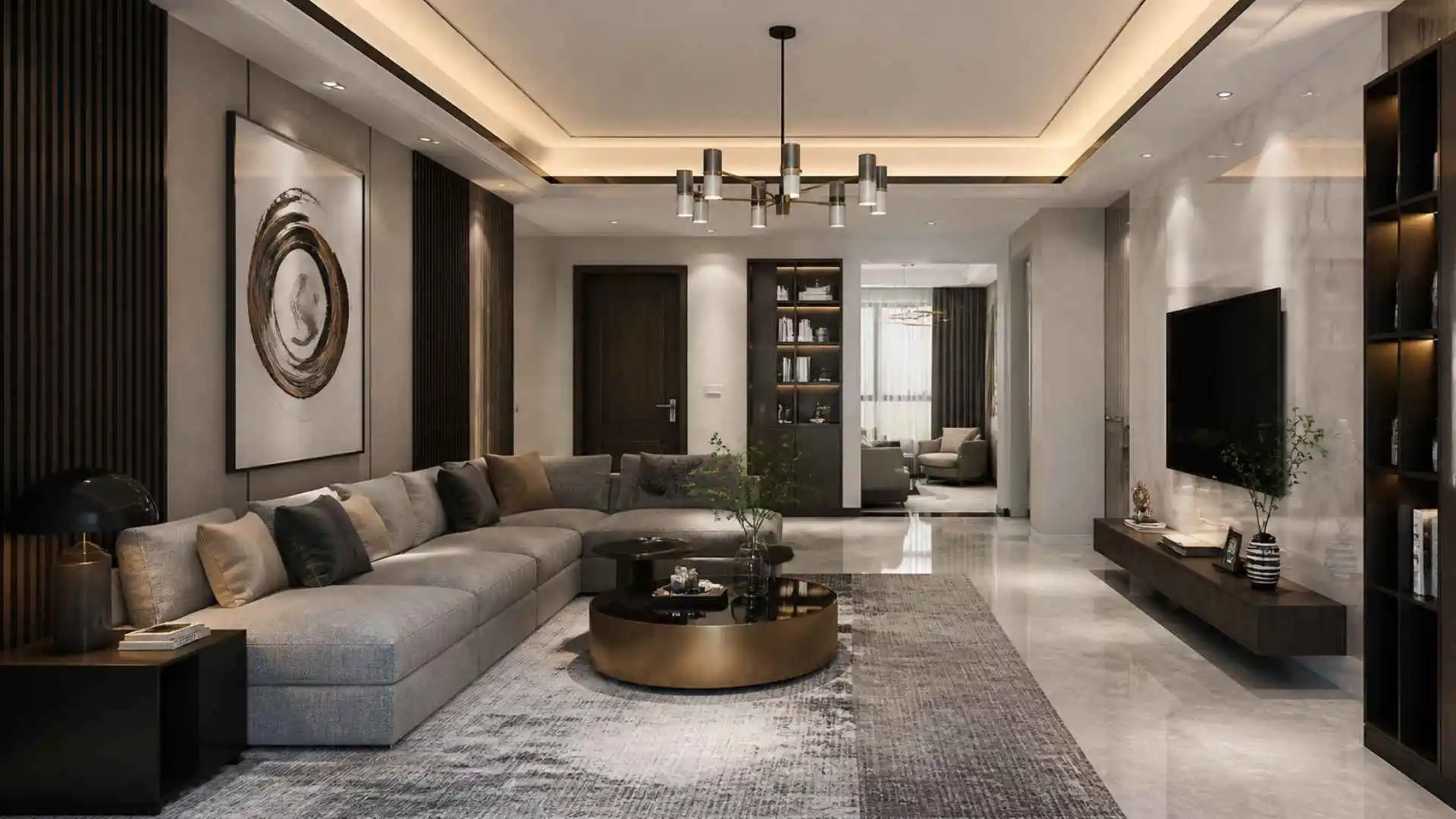
The strongest Designmode24 interior design approach doesn’t depend on expensive furniture or a giant room.
It depends on thoughtful decisions.
A small bedroom can work beautifully when the bed fits the scale, storage uses vertical space, lighting supports different activities, and decoration stays controlled.
A large living room can fail when furniture floats without purpose, pathways become unclear, and every empty wall receives decoration.
The difference comes from planning.
Designmode24’s current interior-design material similarly emphasizes practical room solutions, furniture layouts, storage, lighting, colors, flooring, and room-specific guidance rather than treating decoration as the only goal.
Final Thoughts on Designmode24 Interior Design
Designmode24 interior design is most useful when you treat it as a practical framework rather than a rigid decorating style.
Start with the room’s purpose. Measure the space. Plan furniture around movement. Then build the visual character through color, materials, textures, lighting, and accessories.
Don’t chase a perfect photograph.
Create a room that works when you’re carrying groceries, relaxing after work, hosting friends, getting ready in the morning, or simply trying to find something in a cabinet.
That is where functionality, comfort, personal expression, and aesthetics finally meet.
A successful interior doesn’t merely look finished. It feels right because every major decision has a reason.

Lily Anderson
Hi, I’m Lily Anderson, a passionate writer who believes in the power of prayers and positivity. Ever since I was young, I’ve found comfort and inspiration in sharing stories that uplift the soul. Writing has always been my way of connecting with people, spreading hope, and exploring the deeper meaning of life. I love exploring the intersection of faith, daily life, and personal growth through my words. Every story I write comes from the heart, and I hope it touches yours too. When I’m not writing, you can find me journaling or meditating on new ideas for prayers.
Books:
-
Whispers of Hope
-
Daily Blessings: A Prayer Journal